Where Vines Grow Differently
Wine is a global cultural treasure, telling its own story in every region – from ancient traditions to cutting-edge innovations. In some places, people had to get creative to cultivate wine and integrate it into their culture. Others boast a long-standing heritage yet remain hidden gems beyond the mainstream. Wine has found its way to nearly every corner of the globe over thousands of years. Join us on a journey through the lesser-known wine worlds, from Japan to Argentina.
The Long Journey of Wine Around the World
Winemaking has a long and fascinating history, dating back over 8,000 years to the Caucasus region—modern-day Georgia. From there, wine spread through Mesopotamia and Egypt to Europe. The Greeks and Romans played a crucial role in establishing viticulture in Western Europe, making countries like France, Italy, and Spain the traditional powerhouses of wine production.
Over the centuries, winemaking evolved into a fundamental part of cultures and economies worldwide. While European wine countries have set global standards and shaped perceptions of wine culture, the world of wine extends far beyond these regions. Many remarkable and influential wine traditions exist beyond the mainstream, waiting to be explored.
Wine in Japan: Between Tradition and Innovation
Japan is widely known for sake and whisky, but wine is steadily gaining traction. Yamanashi is the country’s most established, largest, and best-known wine region, producing nearly half of Japan’s total wine output. The most traditional grape varieties include the white Koshu and the red Muscat Bailey A. Both have been cultivated in Japan for centuries. Koshu wines are typically pale greenish-yellow with light, fresh fruit notes. More details about Koshu grapes can be found at www.koshuofjapan.com.
Muscat Bailey A wines are fruity, light reds with moderate acidity and soft tannins.
Muscat Bailey A wines are fruity, light reds with moderate acidity and soft tannins.
While these native varieties have a rich history, Japan’s modern winemaking scene has only gained momentum in recent decades. Today, the prefectures of Yamanashi—with an impressive 92 wineries—and Hokkaido are producing elegant, terroir-driven wines. Japanese vintners also have a strong reputation for thinking outside the box.
Info
Japan’s wine market has seen remarkable growth in recent years. Japanese consumers are now willing to pay more for premium imported wines. Japan has become the world’s fifth-largest wine import market, following the U.S., U.K., Germany, and Canada.Source: QIV Annual Report 2023
Rice Meets Grapes: Japan’s Hybrid Wine Innovations
Beyond traditional grape wine, Japan is pioneering hybrid wines that merge rice cultivation techniques with winemaking. By blending sake fermentation methods with grape vinification, these wines develop delicate umami notes that pair exceptionally well with Japanese cuisine. This inventive approach demonstrates how tradition and innovation can beautifully intertwine.
Orange Wine and Natural Wine from Georgia: An Ancient Trend with New Enthusiasm?
Georgia is widely regarded as the birthplace of wine, with over 8,000 years of winemaking history. Here, wine is deeply embedded in daily life and culture.
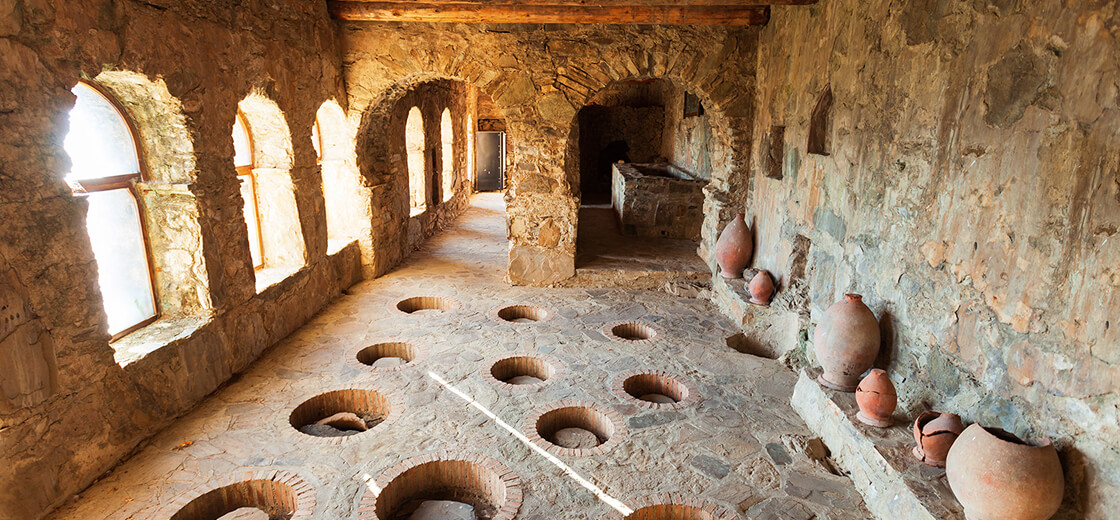
One of Georgia’s most unique contributions to the wine world is the ancient Qvevri method—an age-old technique using large clay amphorae buried underground for fermentation and aging. These traditional vessels allow grapes, including skins, seeds, and stems, to ferment slowly, resulting in wines with a rich texture, deep complexity, and structured tannins.
Sommelier Michael Kutej Recommends:
It’s worth exploring where it all began! My first recommendation is Winery 97 Kakhuri No. 8 by Teliani Valley. This amber-hued white wine offers herbal and dried fruit aromas, soft tannins, and a lingering finish.My second pick is the Glekhuri Kisi Qvevri Amphora Wine – also from Teliani Valley. It’s similar in style but even more refined, with greater complexity, deeper yellow fruit flavors, warm spices, and hints of honey. Made using the traditional Qvevri method, it’s a must-try.
Available in the Pese Wein Online Shop:

Lebanon: Ancient Winemaking with a Modern Twist
Asia’s winemaking landscape is diverse, including regions like Lebanon – one of the oldest wine-producing countries in the world. Winemaking in Lebanon dates back over 5,000 years, with the Phoenicians playing a key role in spreading viticulture across the Mediterranean. Even the Romans indulged in Lebanon’s mountain wines. Today, the Bekaa Valley is the country’s wine capital, home to 90% of its vineyards, where both indigenous and international grape varieties thrive.
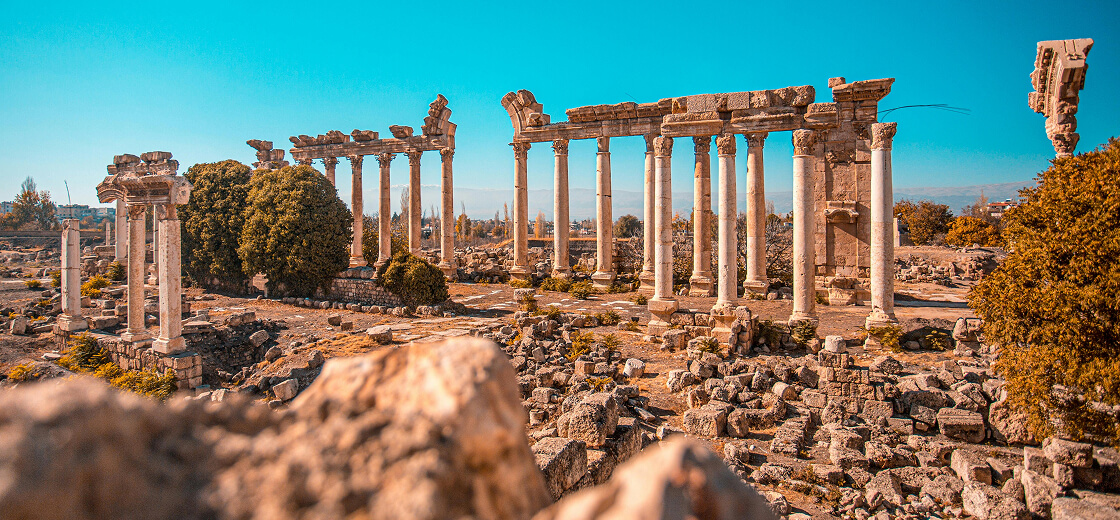
Currently, Lebanon boasts around 50 wineries cultivating over 2,500 hectares, with numbers steadily increasing. While the country is known for its red wines, primarily Cabernet Sauvignon, Syrah, and Cinsault, producers are also embracing organic and natural winemaking practices. Despite economic and political challenges, Lebanese winemakers continue to focus on quality and innovation – making Lebanese wine an emerging global contender.
Argentina: Exceptional Wines from High Altitudes
Far south on the globe but soaring high in altitude, Argentina has become one of the world’s most dynamic wine exporters in recent decades. The country’s success is largely due to one grape: Malbec. But not all Malbec is created equal. The highest vineyards in the world are in Salta, Argentina, where vines grow at elevations of up to 2,000 meters. These extreme conditions—thin air, intense sunlight by day, and cold temperatures at night – result in dense, concentrated wines with remarkable freshness. These high-altitude wines highlight Argentina as one of today’s most exciting wine regions.
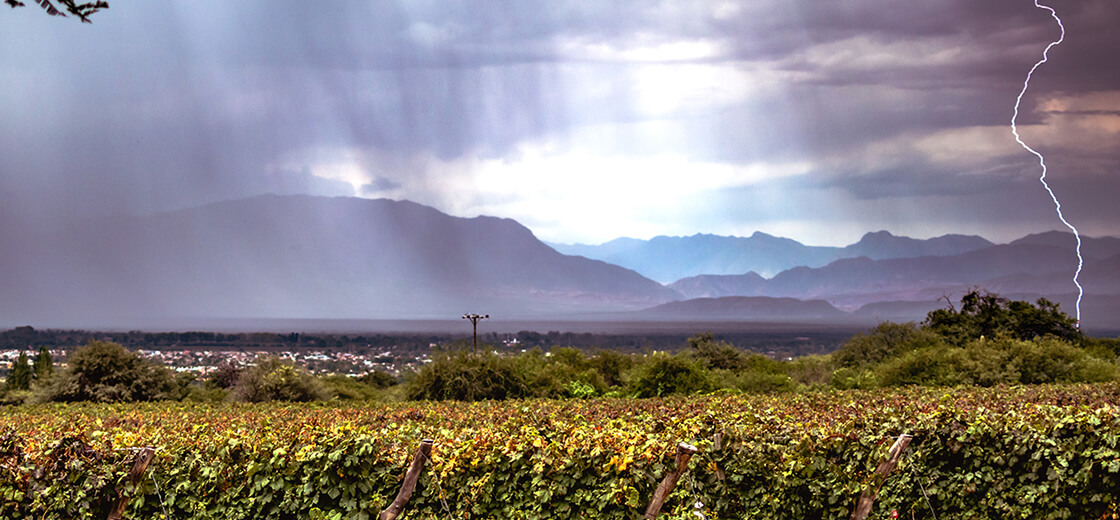
For a long time, Argentinians primarily drank their own wine. With an annual per capita consumption of 45 liters, Argentina’s import rate remains astonishingly low at just 0.04%—compared to a global average where one in three bottles is imported. However, over the past 20 years, Argentine winemakers have expanded their reach, transforming the country into one of the most dynamic wine exporters worldwide.
Sommelier Michael Kutej Recommends:
On my first visit to Argentina, I explored Mendoza and Valle de Uco – higher, cooler, and fascinating. The wines and people captivated me. Moving away from excessive opulence, Argentine winemakers now focus on elegant, terroir-driven styles.My top pick is Puramun Reserva Chardonnay, offering bright citrus notes, just 20% new oak, a touch of vanilla, and balanced exotic hints – pure delight. And for Malbec lovers, the Puramun Reserva Malbec delivers dark berry fruit, vibrant acidity, and deep complexity at an exceptional price.
Available in the Pese Wein Online Shop:
The Wine World Keeps Evolving
From Argentina’s high-altitude vineyards to Georgia’s ancient amphorae and Japan’s experimental wineries, wine continuously reinvents itself. While classic regions preserve tradition, these unconventional wine hubs prove that the world of wine is full of surprises. Exploring places where vines grow differently reveals captivating stories beyond the mainstream—ready to be discovered by curious wine lovers everywhere.
Seite bewerten
Welcome to wine.vino.wein – the wine lover’s magazine
In our magazine you will find editorial articles and information about wine. As we are committed to the responsible use of alcoholic beverages, the content is aimed exclusively at adults and you must be at least 18 years old to visit wine.vino.wein.